Understanding Mobile Fuel Delivery and Its Growth
The fuel logistics industry has experienced a massive shift over the last decade. Historically, securing fuel for heavy machinery, emergency backup generators, or commercial transport meant taking equipment directly to crowded retail truck stops or relying on large, inflexible bulk tanker shipments into stationary tanks. Today, on-demand fuel logistics has completely rewritten those rules by moving fuel directly from terminal supply points to customer job sites.
Modern mobile fueling services utilize specialized dispensing equipment mounted on agile vehicles, turning what used to be a half-day operational errand into an automated, background process. By delivering fuel straight into equipment tanks during off-hours or scheduled downtime, businesses eliminate deadhead miles, cut down on expensive driver labor costs associated with pump visits, and streamline precise inventory tracking.
For companies researching humsafar fuel delivery as a concept, the key idea is simple: fuel comes to the asset instead of the asset going to the pump. This is especially valuable when a business operates multiple vehicles, machines, or generators across a yard, job site, farm, or remote work area. A properly managed mobile fueling program can help dispatchers plan the next workday with greater confidence because equipment begins the shift already fueled, documented, and ready to operate.
The growth of this model is also being driven by better data. Instead of collecting paper receipts from drivers or guessing how much diesel was used by each piece of equipment, customers can review digital fueling records tied to specific assets. That visibility supports tighter budgeting, easier reconciliation, and better accountability across busy operations.
Understanding the Mobile Fuel Delivery Business Model
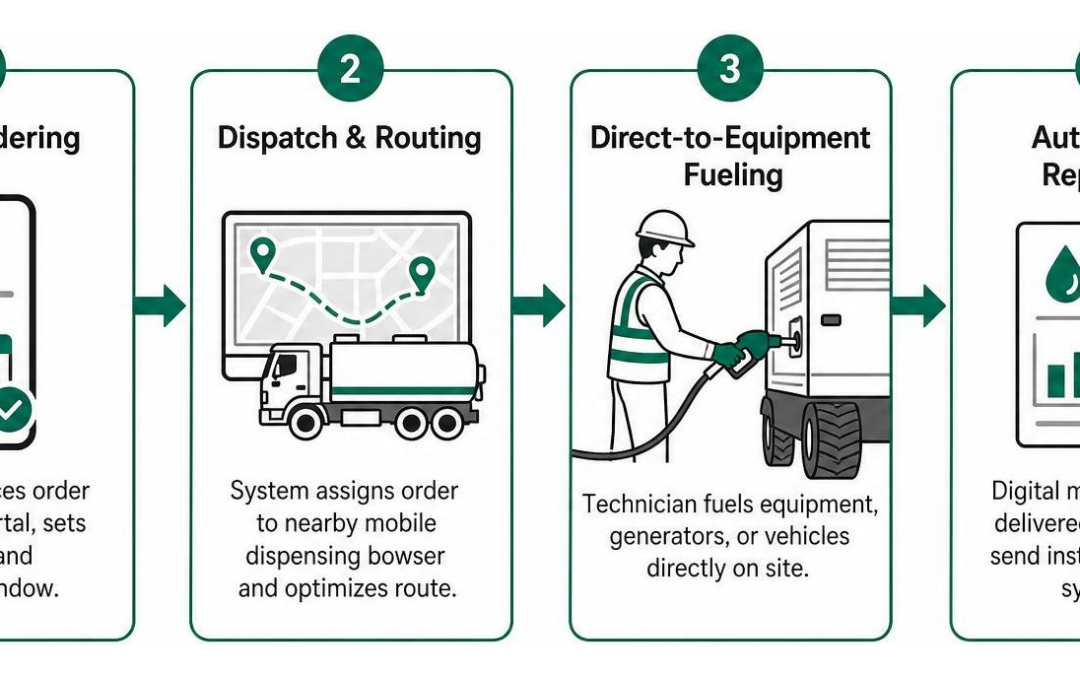
At its core, the modern mobile fuel delivery model relies on a seamless integration of specialized hardware and automated dispatch software:
- Digital Ordering & Portal Scheduling: Customers place orders through a cloud-based portal or mobile application, specifying delivery windows, fuel grades, equipment IDs, and precise site locations.
- Dispatch & Route Optimization: Logistics software assigns scheduled orders to nearby mobile dispensing bowsers, specially fitted, DOT-compliant delivery vehicles engineered to transport and dispense liquid fuel safely.
- Direct-to-Equipment Fueling: Instead of transferring fuel into intermediate holding tanks that require expensive environmental permits, certified delivery technicians fill machinery, backup generators, and transport vehicles directly on site.
- Automated Data Capture & Reporting: Once fueling is completed, calibrated digital flow meters record the exact gallonage dispensed into each individual asset, pushing real-time records straight to accounting and fleet management platforms.
Mobile Fuel Delivery Target Market and Primary Customers
The efficiency and convenience of direct site refueling spans across virtually every industrial and commercial sector:
- Commercial Fleets: Eliminates morning queues at retail gas stations so drivers can hit the road as soon as their shift starts. Learn how dedicated fleet fuel delivery keeps transit and delivery operations on schedule.
- Construction Sites: Keeps excavators, bulldozers, cranes, and haul trucks running smoothly without pausing operations to haul fuel to remote job sites. Learn more about flexible job-site solutions with On-Site Fueling.
- Agricultural Operations: Delivers off-road diesel straight to tractor staging areas during critical planting and harvest windows, avoiding costly equipment road travel.
- Emergency Preparedness & Backup Generators: Ensures hospitals, data centers, telecom towers, and distribution centers maintain continuous operational power during unexpected grid failures.
- Landscaping & Trade Contractors: Refuels service trucks, mowers, and equipment trailers overnight at central staging yards, ensuring crews start every morning fully prepped.
How Mobile Fuel Logistics Ensures Safety and Compliance
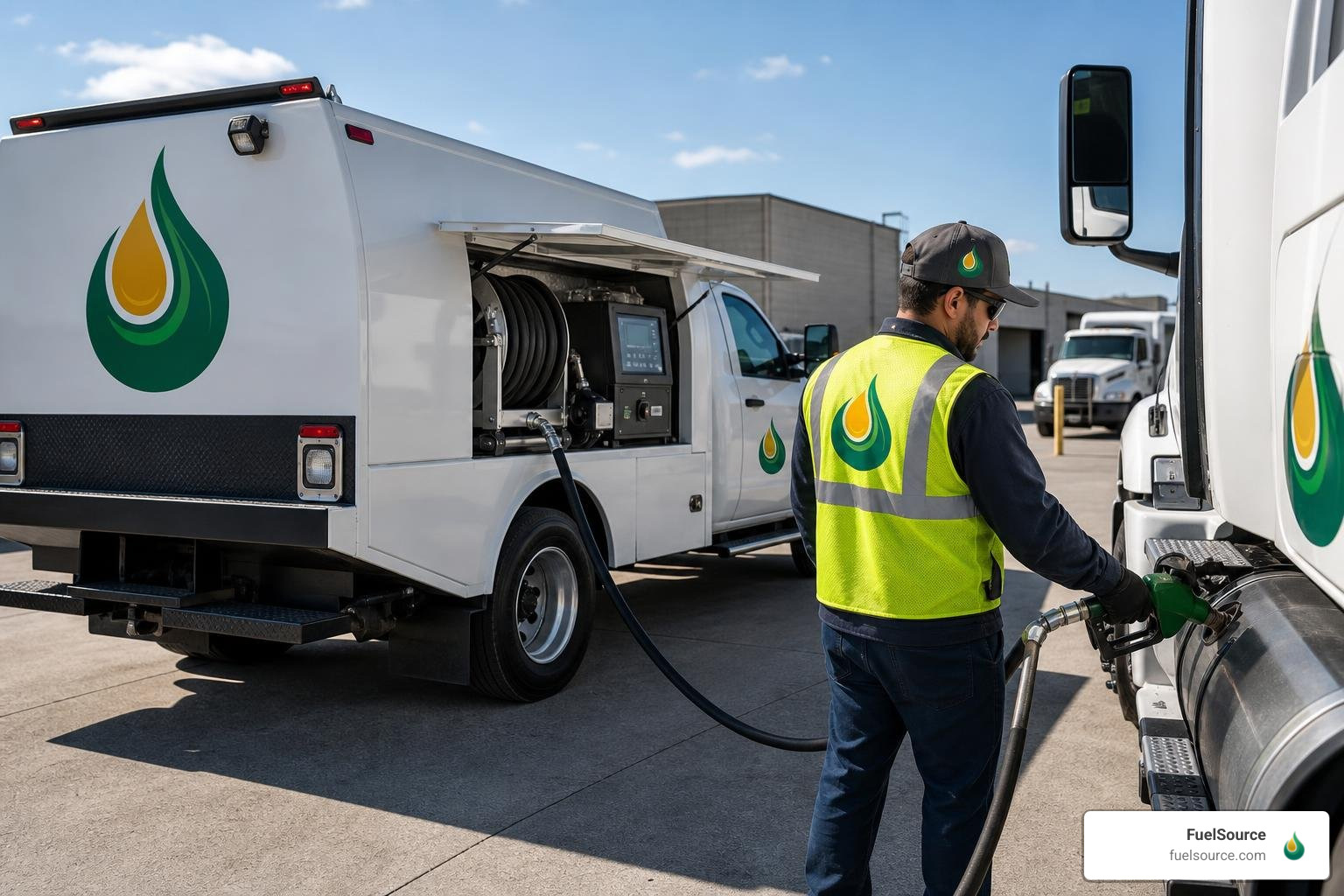
Handling combustible products like standard highway diesel and off-road diesel fuel off-site requires strict adherence to environmental regulations and rigorous safety standards. Regulatory oversight from federal and state agencies—such as the U.S. Department of Transportation and environmental safeguards enforced by the U.S. Environmental Protection Agency—mandates how mobile refueling units are constructed, inspected, and operated.
To safeguard against fuel theft, contamination, static buildup, and accidental environmental spillage, modern delivery units deploy sophisticated safety technology:
- Automated Digital Locks: Dispensing nozzles and internal tank valves remain electronically sealed while delivery trucks are en route.
- Geo-Fencing Technology: Valve locks are programmed to open only when live GPS coordinates match verified, customer-approved delivery locations.
- Vapor Recovery & Zero-Spillage Nozzles: Automatic shut-off nozzles prevent tank overfills, while specialized recovery fittings capture displaced vapors during dispensing.
- Real-Time Telemetry & Tracking: Fleet managers continuously monitor truck speeds, pump pressure levels, hose reel deployments, and digital meter metrics.
Minimum Order Quantities, Pricing, and Safety Regulations
Mobile fueling pricing models offer flexible options tailored to small businesses and enterprise fleets alike:
- Small-Volume Deliveries: Ideal for job-site emergency generators or specialized equipment. Services offer clear pricing with flat service fees or standard volume tiers.
- Bulk Bowser Deliveries: For high-volume demand reaching thousands of gallons, fuel pricing scales competitively with wholesale rack rates and standardized freight terms.
- Storage Licensing Thresholds: Environmental safety guidelines limit the volume of liquid fuel stored in stationary on-site tanks without secondary containment and dedicated storage permits. Storing thousands of gallons on-site usually triggers strict municipal fire codes and spill containment plans.
Key operational safety guidelines include:
- Flexible Delivery Scales: Services accommodate order sizes ranging from small tank top-offs up to dedicated multi-thousand gallon deliveries.
- Certified Transport Vessels: Specialized bowser trucks feature baffle-reinforced tanks (typically 1,000 to 5,000 gallons) to maintain highway balance and safety.
- Verified Delivery Sites: Every drop-off location undergoes physical or satellite site auditing to ensure safe vehicle access and compliant clearance from drain structures.
Geographic Network Expansion and Future Energy Roadmap
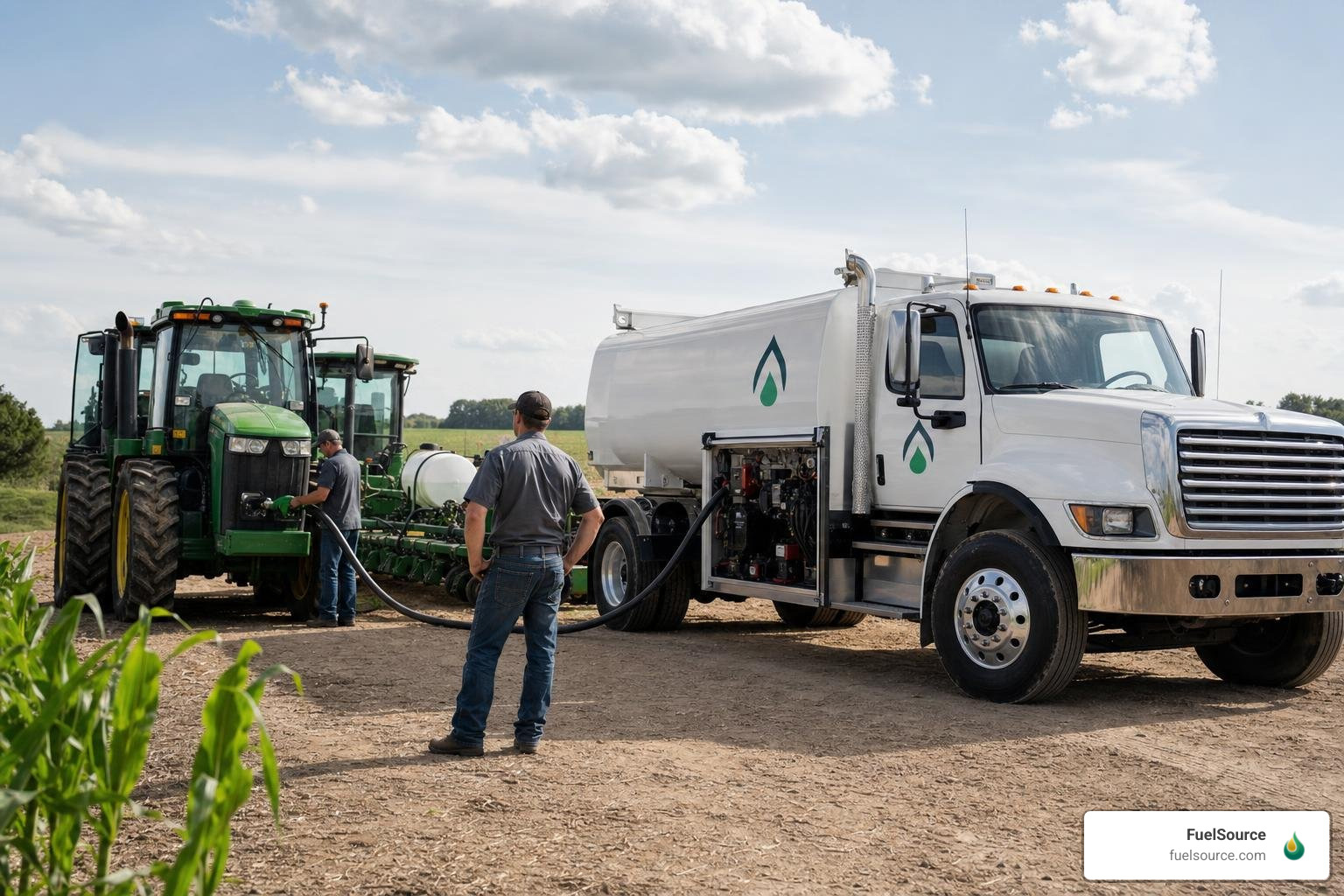
As businesses prioritize operational uptime, direct-to-site refueling logistics networks are expanding rapidly across key regional and suburban commercial corridors. To keep pace with growing demand, service providers are expanding their fleet footprint, deploying custom-built delivery units, and establishing direct terminal connections to ensure uninterrupted supply for enterprise clients.
Looking ahead, mobile energy distribution extends beyond conventional petroleum products. As commercial fleets adopt multi-fuel and lower-emission strategies, modern delivery networks are positioning themselves to supply alternative fuels, including renewable diesel, mobile battery charging units, and mobile compressed natural gas (CNG) replenishment.
For commercial fleet operators seeking to streamline daily route scheduling and strengthen fuel supply security, exploring professional Fleet Fueling Services provides a proven path toward reduced operating costs. Furthermore, modern mobile fueling programs frequently combine fuel top-offs with essential emissions fluid management—you can learn all about maintaining modern diesel engines through our specialized DEF Fluid Delivery resource page.
Frequently Asked Questions About Doorstep Refueling
What is the minimum quantity of fuel that can be ordered?
Minimum order requirements depend on the delivery model and site equipment. For emergency power generators or small site machinery, deliveries can accommodate smaller, flexible orders tailored to customer needs. For direct-to-tank fleet fuel delivery or heavy construction machinery, mobile dispatch typically starts at standard commercial minimums to optimize delivery routes.
When is a regulatory storage license required?
A formal environmental and storage license is generally required whenever permanent, stationary fuel storage on a property exceeds municipal or federal statutory limits (such as bulk storage exceeding 1,320 gallons under Spill Prevention, Control, and Countermeasure guidelines). Utilizing direct-to-equipment mobile delivery allows businesses to eliminate large stationary fuel tanks, reducing regulatory compliance hurdles and secondary containment requirements.
How is fuel security maintained during transit?
Fuel security relies on integrated digital locking systems and real-time telematics. Delivery bowsers are fitted with geo-fenced locking mechanisms that physically lock internal dispensing valves during transit. The system unlocks dispensing controls only when onboard GPS verification confirms the truck has arrived at the precise coordinates of the customer’s property.
How does direct site refueling assist with IFTA reporting?
Direct site refueling automates data collection by logging every gallon dispensed into specific fleet assets equipped with RFID tags or barcode labels. These digital records generate detailed usage logs categorized by asset, location, and date, eliminating manual driver receipts and simplifying International Fuel Tax Agreement (IFTA) quarterly tax reporting.
Conclusion: The Future of On-Demand Refueling Logistics
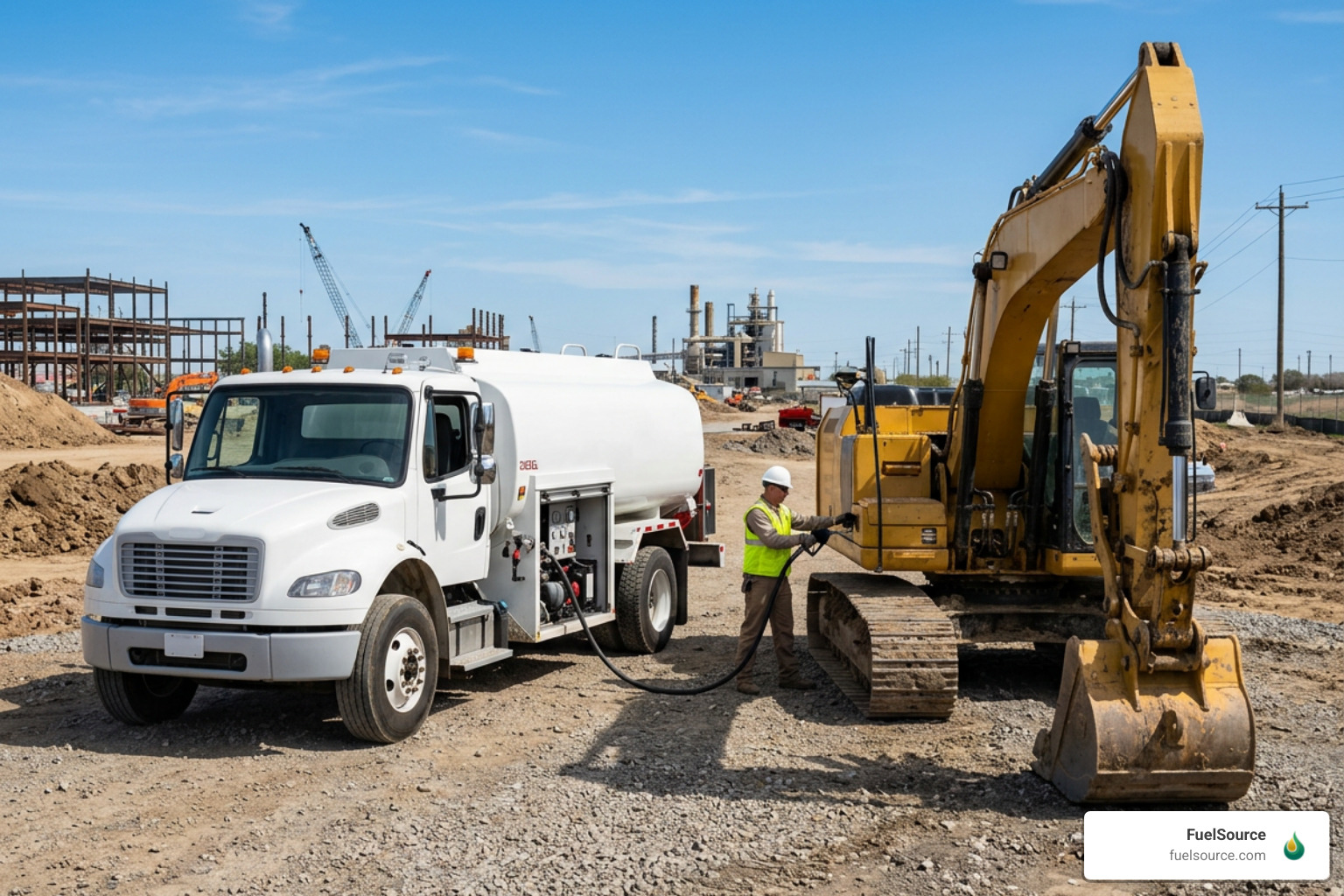
The global rise of on-demand companion fueling—often referred to in international markets as humsafar fuel delivery—represents a modern transformation in commercial supply logistics. By bringing high-grade fuel directly to equipment where it operates, enterprises eliminate non-productive labor hours, minimize environmental risk, and keep critical jobs running without interruption.
At FuelSource, we bring over 30 years of industry experience and state-of-the-art dispensing equipment directly to commercial vehicles, construction sites, agricultural operations, and emergency backup power systems across Metro Atlanta and North Georgia. Serving key hubs across Fulton County, Cobb County, Gwinnett County, Cherokee County, Marietta GA, Decatur GA, and Canton GA, our team provides reliable fuel delivery for fleets alongside complete digital reporting.
Whether you need overnight yard refueling, job-site diesel dispatch, or automated IFTA accounting via our intuitive customer portal, FuelSource keeps your business moving forward. Ready to eliminate unnecessary trips to retail pumps? Contact Us today to design a customized delivery schedule for your fleet!