Real-Time Price Tracking: Finding Cheap Diesel Near Me Today
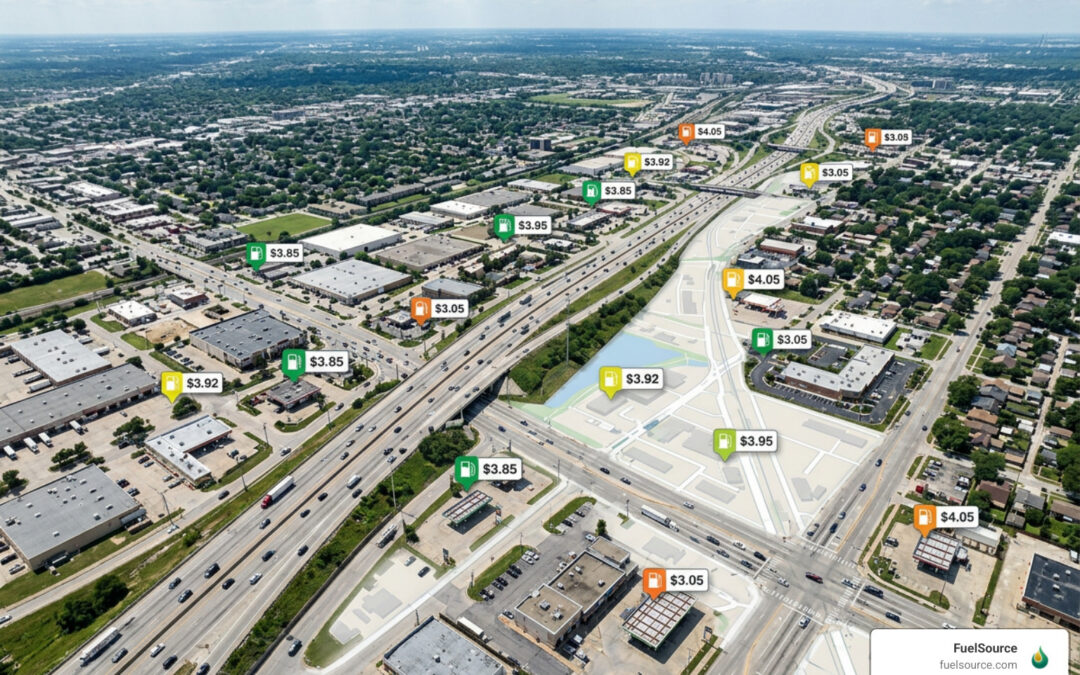
Managing fuel expenses starts with knowing what the market looks like before you turn the ignition key. In competitive hubs across Georgia—from Metro Atlanta up through Cherokee County and Bartow County—retail fuel prices shift constantly. For drivers searching for cheap diesel near me today, crowd-sourced data platforms and digital navigators make tracking these price swings straightforward. By crowdsourcing pump submissions from millions of drivers, modern tools allow you to spot price drops the moment an operator updates their sign.
When you look for reliable options, apps such as GasBuddy, the AAA Mobile App, and iExit stand out as essential tools. GasBuddy relies on millions of real-time user updates to log prices, helping you spot competitive local stations like One9 Fuel Stop. AAA pairs its price lookup with mapping and roadside support, while iExit focuses on interstate corridor pricing so you know what lies at the next highway ramp. With Apple CarPlay and Android Auto integration, checking diesel costs on a mounted dashboard display is safer and simpler than ever.
| Tool / Strategy | Primary Use Case | Key Cost Advantage | Best For |
|---|---|---|---|
| GasBuddy | Crowd-sourced local station pricing | Real-time user updates & GasBack rewards | Daily commuters & mixed light fleets |
| AAA Mobile App | Route planning & trip budgeting | Member fuel discounts & cash-back offers | Personal vehicles & roadside travelers |
| iExit | Highway exit fuel comparisons | Visualizes price spreads along highway ramps | Regional haulers & highway drivers |
| Loyalty / Card Programs | Brand-specific retail rewards | 5¢–15¢ per gallon instant pump reductions | Drivers dedicated to specific retail chains |
| Mobile Fuel Delivery | Direct-to-equipment site fueling | Eliminates retail markup & paid driver downtime | Commercial fleets, farms, & job sites |
Key Features of Top Fuel Finder Apps
Not every fuel app offers the same utility. When you rely on clean, reliable diesel, basic regular-unleaded listings are not enough. High-value fuel finder apps provide specialized filters and community reporting features designed for diesel-powered vehicles:
- Diesel-Specific Grade Filters: Prevents confusing standard unleaded rates with ultra-low sulfur diesel or bio-blends.
- Station Amenity Tags: Confirms whether a location has high-clearance canopies, dedicated DEF dispensers, truck bays, or clean facilities.
- Pump Performance & Speed Notes: Community reviews often warn drivers about malfunctioning card readers or slow pump flow rates that turn a quick five-minute stop into a 20-minute delay.
- Timestamped Submissions: Shows exactly when a price was last verified so you do not chase a low rate posted three days prior.
How to Spot Cheap Diesel Near Me Today with Route Planners
A low fuel price is only economical if the mileage required to reach the dispenser does not eat up your margins. If diesel is 10 cents cheaper at a station four miles off your primary route, an empty medium-duty truck burning fuel in stop-and-go city traffic will burn through those theoretical savings before reaching the pump.
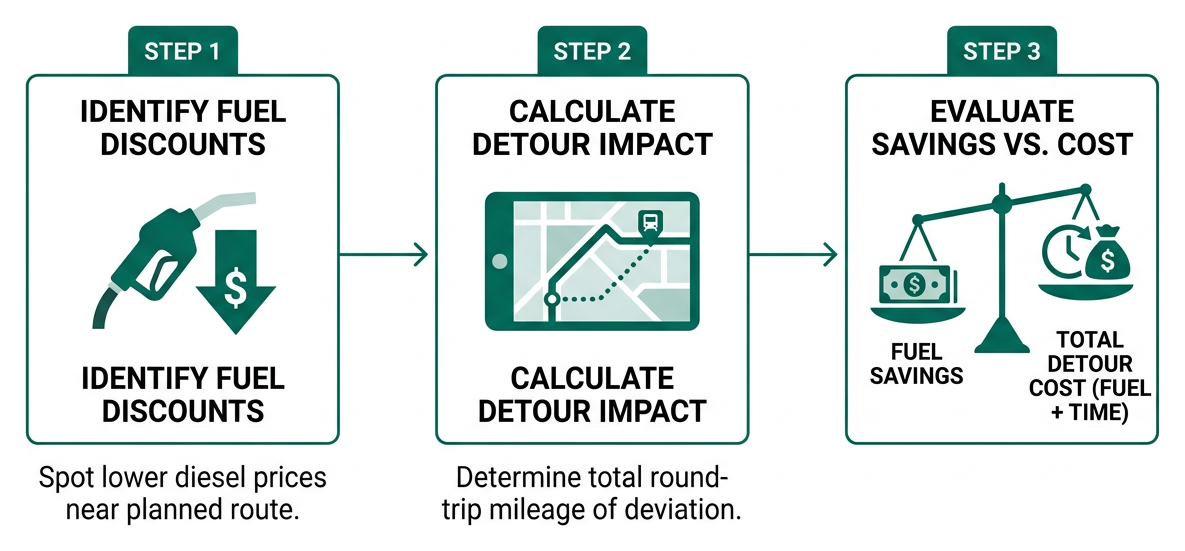
To maximize your route planning:
- Set a strict search radius filter (typically 3 to 5 miles from your planned path).
- Calculate total round-trip mileage for any detour.
- Factor in the labor cost of driver transit time.
- Choose stations directly on your path unless a high-volume fill-up justifies the extra travel.
Regional Price Variations and Local Diesel Market Trends
Diesel pricing is rarely uniform across neighboring counties. Even within North Georgia, the cost per gallon in Fulton County or Gwinnett County often differs from rates in Forsyth County or Paulding County. These geographic price spreads stem from wholesale rack costs, pipeline access, local municipal taxes, and real estate overhead.
Retail margins are also influenced by broader refinery shifts and seasonal changes. In volatile environments, severe regional bottlenecks can cause extreme spikes, as seen in broader market reporting like supply squeeze reports detailing record prices. Checking statewide benchmarks via AAA fuel price tracking helps establish what a fair baseline looks like for the week across Georgia.
Urban vs Rural Station Pricing
Metropolitan locations often face higher commercial property taxes, tighter delivery windows, and intense convenience store competition. In urban centers like Atlanta, stations with small footprints frequently mark up diesel because their primary revenue comes from inside retail sales.
Conversely, rural stations located near regional bulk distribution terminals or along agricultural corridors may offer cheaper base fuel. However, if a rural retailer has lower fuel turnover, their prices might lag behind falling wholesale markets, leaving prices temporarily higher until new inventory arrives.
Long-Haul Corridors vs Local City Pumps
High-volume travel centers situated along major interstate junctions operate on entirely different business models than neighborhood corner stations:
- High-Flow Satellite Nozzles: Interstate travel plazas feature commercial lanes designed to pump 20 to 30 gallons per minute, minimizing stop times for large tanks.
- Retail vs Commercial Lanes: The street sign at an interstate stop often shows the retail price, whereas commercial lanes may require specific fleet cards or apply standard retail sales tax differently.
- Volume Pricing Structures: Stations moving millions of gallons monthly often negotiate favorable wholesale contracts, allowing them to remain competitive even when regional supplies tighten.
Practical Ways to Maximize Pump Savings on Diesel Fuel
Securing the best price per gallon requires combining mobile app insights with smart payment practices. Many retailers advertise dual pricing: a lower rate for cash payments and a higher rate for standard credit cards. Knowing how your payment method interacts with the pump interface prevents unexpected expenses and protects your working capital.
Using dedicated fleet cards, store loyalty apps, and cash-back payment methods can shave an extra 5 to 15 cents off every gallon. Pairing these tools with structured routing keeps operating costs predictable across every vehicle in your operation.
Unlocking Cash Discounts and Avoiding Card Holds for Cheap Diesel Near Me Today
One common issue at the pump is the pre-authorization hold. When swiping a standard debit card at an automated retail dispenser, banks frequently place a temporary hold ranging from $150 to $250 to verify funds before pumping begins.

For owner-operators or small businesses managing tight daily cash flow, multiple card holds across several vehicles can temporarily lock up operating funds. To bypass this:
- Pay Inside at the Register: Designating an exact dollar amount at the register charges the exact total immediately, preventing large secondary authorization holds.
- Leverage Dedicated Fleet Billing: Commercial fuel cards eliminate retail holds while capturing detailed odometer readings and tax records.
- Utilize Cash Discounts Safely: If a station offers a 10-cent discount for cash, keep receipts organized to track business expenses accurately for tax deductions.
Commercial Refueling: When Mobile Delivery Beats Retail Pumps
While retail tracking apps are useful for individual passenger vehicles or occasional fill-ups, driving heavy machinery, agricultural equipment, or commercial work vans to a retail station often creates hidden expenses. Paying drivers their standard hourly wage to sit in traffic, navigate narrow retail aprons, and wait for open diesel pumps quickly erodes whatever 10-cent-per-gallon discount was listed on the sign.
For commercial fleets, construction crews, and farm operations, scheduled on-site fleet fueling is a far more cost-effective strategy. Rather than losing productive morning hours at retail pumps, we deliver ultra-low sulfur diesel, DEF, and gasoline directly to your vehicles, skid steers, generators, or dedicated yard tanks while equipment sits idle between shifts.
Our custom trucks refuel your equipment directly where it is parked, eliminating driver downtime entirely. With automated delivery tracking and our customer portal, fleet managers gain transparent accounting records and simplified IFTA compliance reporting without sending a single truck to a busy retail station.
Frequently Asked Questions About Diesel Fuel Pricing
What is considered a good diesel price threshold in my area?
A competitive diesel price is generally anything sitting within the lowest 10% to 15% of reported prices within a 5-mile radius. In most North Georgia markets, local spreads between stations span roughly 15 to 30 cents per gallon on any given day.
If the prevailing regional average is $3.80 per gallon, finding a verified station offering $3.62 to $3.68 represents a strong value threshold. However, if reaching that discounted pump requires driving more than 3 extra miles off your course, the fuel consumed during the detour balances out the price benefit.
Why do diesel prices vary so significantly between stations in the same town?
Several operational factors explain why two stations located a few blocks apart charge different prices for the exact same grade of diesel:
- Wholesale Contract Structures: Branded stations (such as Chevron or Shell) must purchase wholesale fuel through brand supply contracts, whereas unbranded independent retailers can buy spot market fuel from whichever rack terminal is cheapest on that day.
- Inventory Delivery Timing: A high-volume station receiving fuel drops daily adjusts prices rapidly to match wholesale drops, while a low-volume station across the street may still be selling older, higher-cost inventory.
- Property Leases and Overhead: Retailers situated directly off high-traffic highway ramps pay substantial property leases and real estate taxes, passing those operating costs on through higher fuel margins.
How do debit card authorization holds work at retail diesel pumps?
When you insert a debit or credit card at an outdoor fuel dispenser, the pump automated system does not know in advance whether you plan to buy $10 of fuel or fill an 80-gallon saddle tank. To protect against non-payment, the merchant processor requests an initial authorization hold from your bank—frequently set between $150 and $250.
Once the transaction finishes, the dispenser transmits the final total to your financial institution. While the adjusted charge is recorded immediately, banks can take anywhere from a few hours to three full business days to release the temporary hold, locking up available balance in the interim.
Conclusion
Finding affordable diesel requires a mix of real-time monitoring, smart route selection, and practical payment strategies. Mobile tracking apps like GasBuddy, AAA, and iExit give drivers the visibility needed to bypass overpriced retail stations and find dependable local diesel stops throughout the week.
For commercial businesses operating across Metro Atlanta and North Georgia, avoiding retail pumps entirely through mobile on-site delivery yields the greatest bottom-line return. At FuelSource, we bring over three decades of commercial fueling experience, dependable equipment, and digital fleet reporting directly to your yard or job site. Explore our comprehensive services for fleet fuel delivery to discover how we keep your business running smoothly without retail pump delays.